7 Birds You May Notice More Often in Your Yard This November
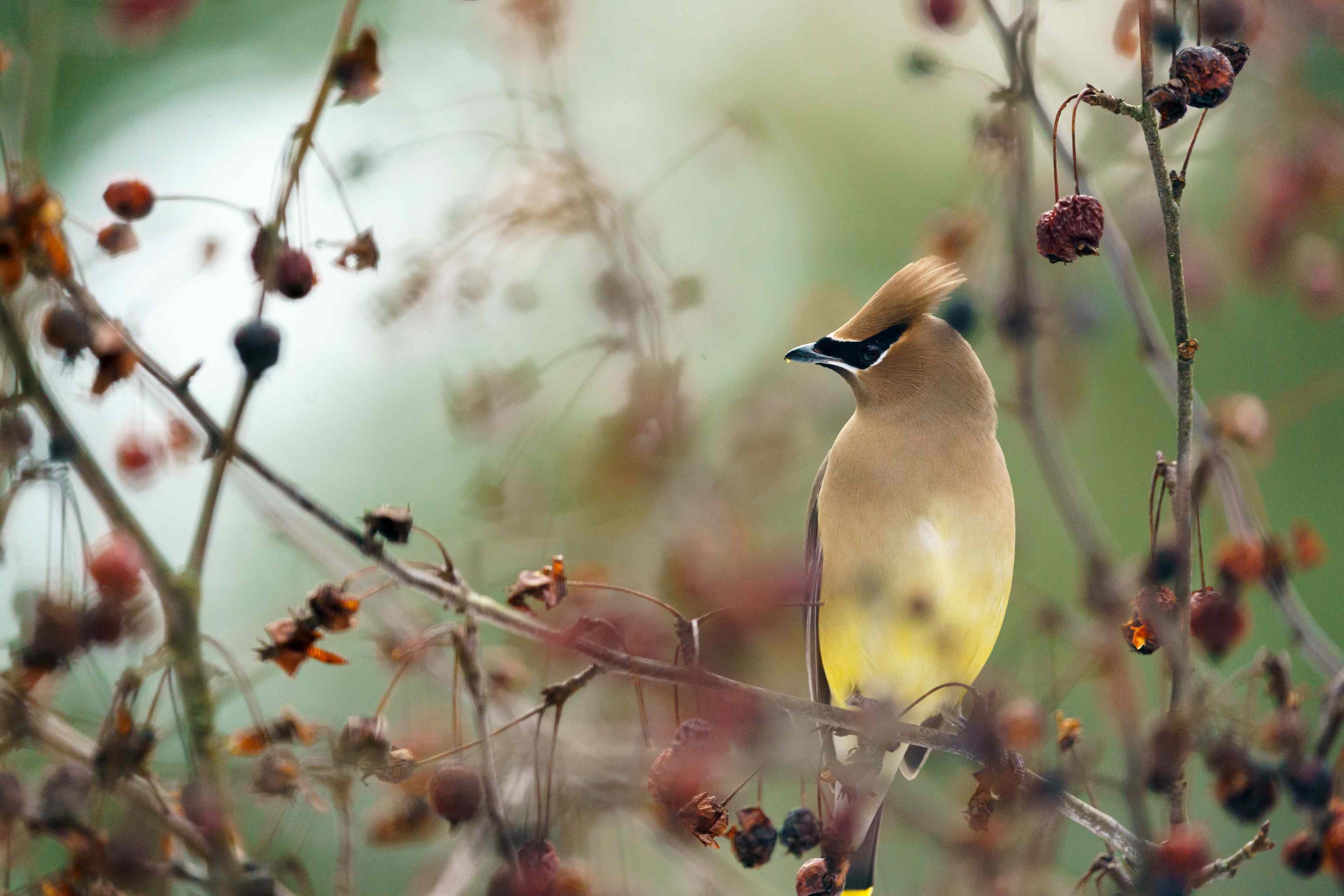
Once the weather turns chilly, many of our favorite songbirds migrate south in search of warmer temperatures and insects and berries that are harder to find in northern gardens in winter. But some tough and hardy “resident” birds stick around our gardens year-round, while other birds from areas even further north may migrate in to enjoy the comparatively mild winters outside of their breeding range.
Here’s a look at some of the most common backyard birds you may spot this November and tips on how to keep them around this winter.
Meet Our Expert
Barbara Gleason is the owner of Wild Birds Unlimited in Eugene, Oregon.
Zachary Holderby is the vice president of Downeast Audubon in Ellsworth, Maine.
Why Birds Migrate
Many birds feed on insects during the summer months and migrate south in winter when insects become hard to find. Fruit and berries become scarcer during the winter months too, which also prompts some fruit-eating birds to migrate. However, seed-eating birds that have a good deal of cold tolerance may not migrate at all, while other northern migrants may visit your garden in the winter only.
“Many birds that nested farther north in Canada move south into the United States, and many of these small birds gather in groups or ‘feeding guilds’ to feed throughout the winter,” explains Barbara Gleason of Wild Birds Unlimited.
Composed of somewhere between 10 and 40 birds, bird guilds can often be spotted visiting feeders or berry shrubs like hollies in winter in search of food. Non-migratory resident birds may also move about in pairs or singly depending on the species. Either way, you’re far more likely to spot northern migrants and year-round resident birds in your garden if you provide them with the resources they need in winter, such as quality bird feed, a cozy roosting box, and perhaps a heated bird bath.
7 Birds You May Spot This Winter
The bird species that may visit your garden in winter will vary depending on where you live and the types of seed and plants you offer in your garden. The following 7 birds are particularly common in winter throughout much of the U.S. and Canada. However, if you’re lucky, you may spot other birds at your winter feeders, like pine siskins, goldfinches, titmice, mourning doves, and grosbeaks.
01 of 07
Northern Cardinals
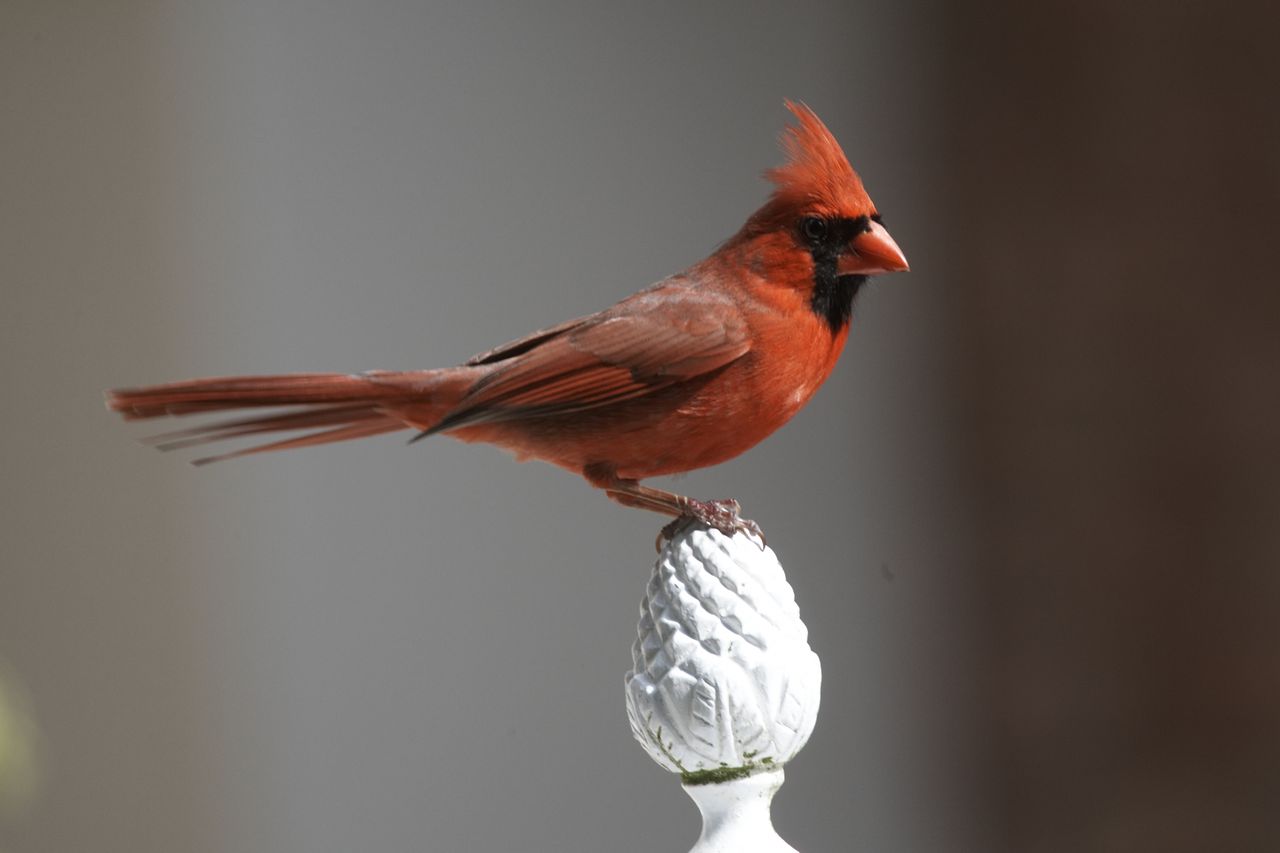
Few birds look as picturesque perched on a snow-clad bird feeder as northern cardinals. Males are famed for their bright red plumage, which stands out against any winterscape, while females come in more muted hues. These birds tend to be quite territorial in summer, but they move in bigger flocks in winter and can sometimes be spotted with juncos and sparrows in search of tasty seeds.
02 of 07
Chickadees
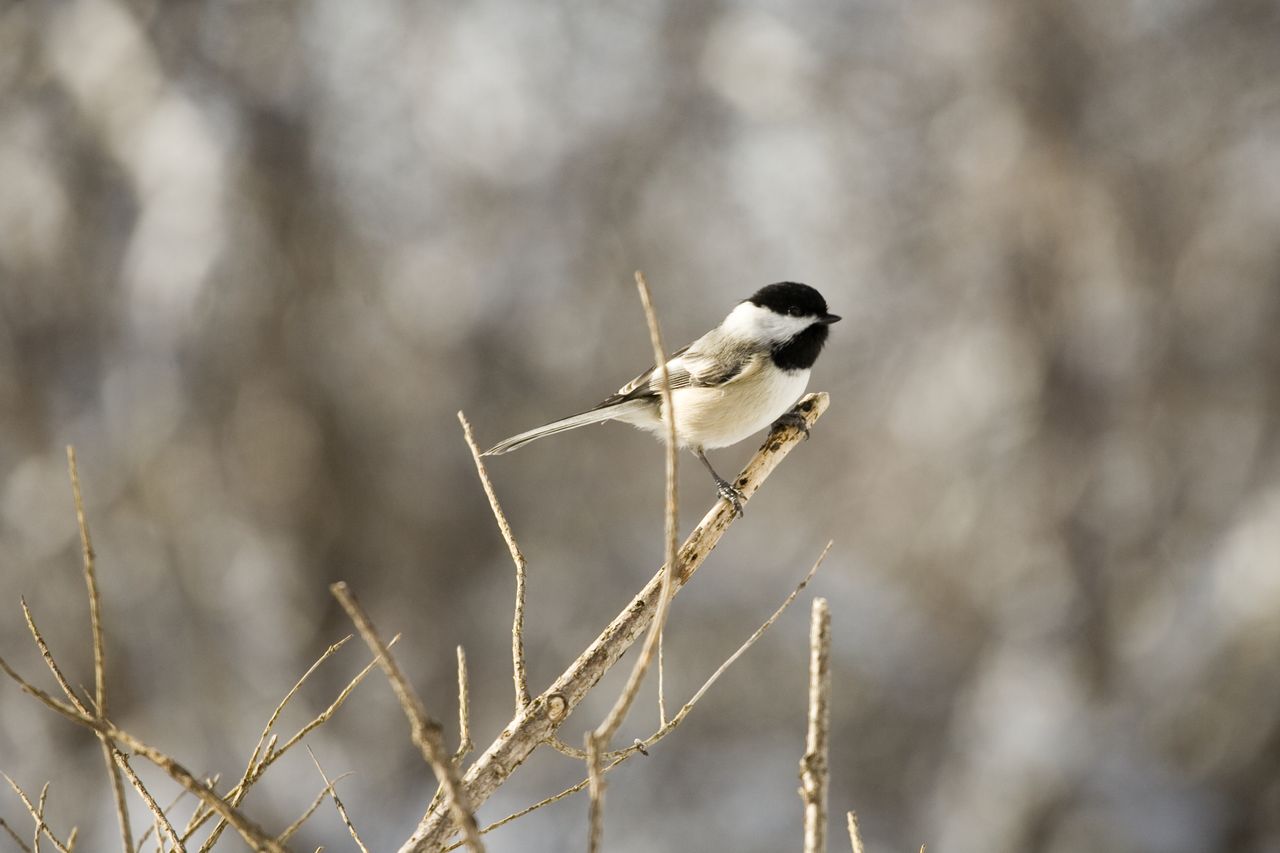
Chickadees are friendly little birds with black-and-white-capped heads and a habit of twittering and peeping to each other from trees and snowy branches. These resident birds also move in groups and are often sighted with nuthatches and titmice.
“If you want to see more of them, keep fresh foods out for when they swoop through—including seeds with or without shells and suet cakes in baskets,” suggests Gleason. “And be sure to keep your binoculars close by!”
03 of 07
Nuthatches
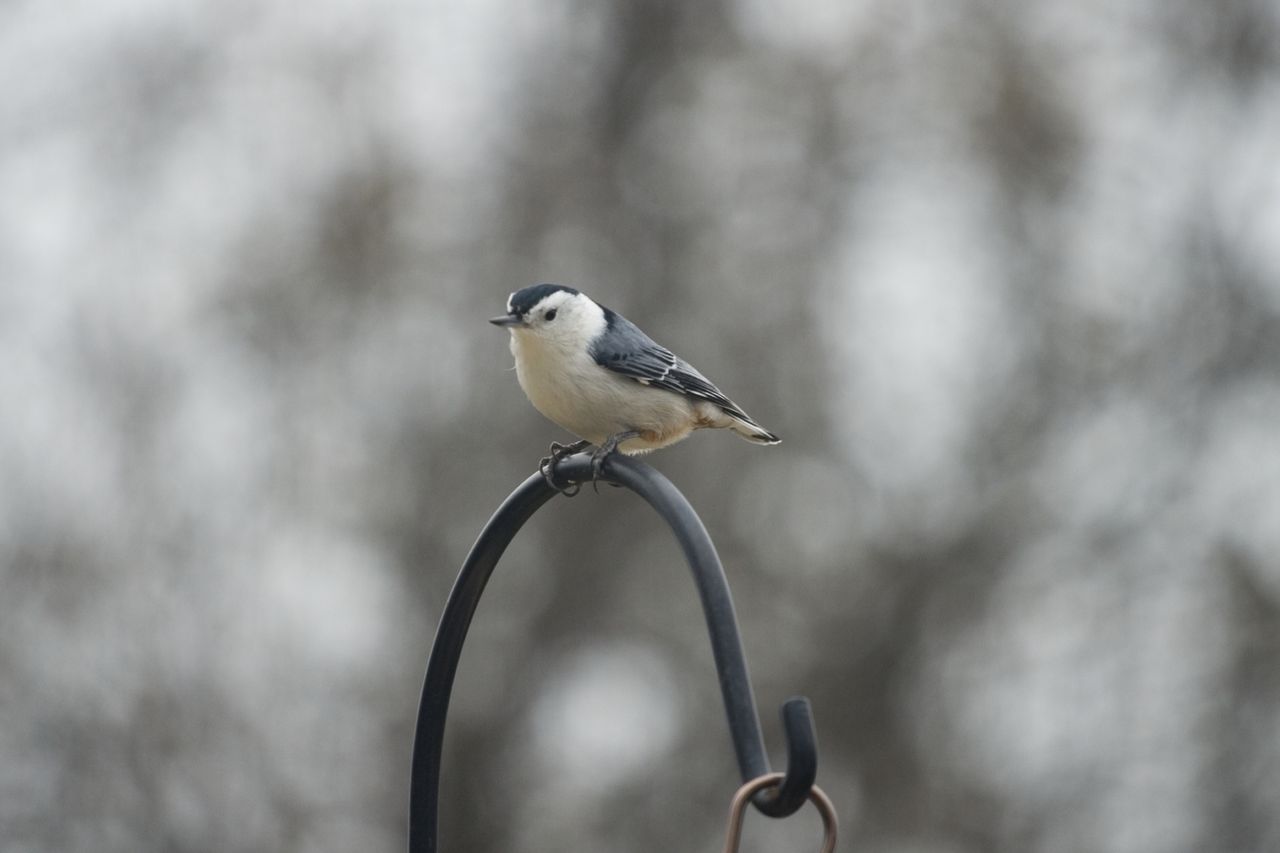
Tree-clinging nuthatches move up and down tree trunks as skillfully as woodpeckers, but they’re even more likely to visit feeders that are filled with tasty seeds. These common garden visitors rarely migrate far and are quite vocal, just like chickadees.
Depending on your region, you may see a few different types of nuthatches in winter, including the white-breasted nuthatch, the red-breasted nuthatch, the pygmy nuthatch, and the brown-headed nuthatch.
04 of 07
Woodpeckers
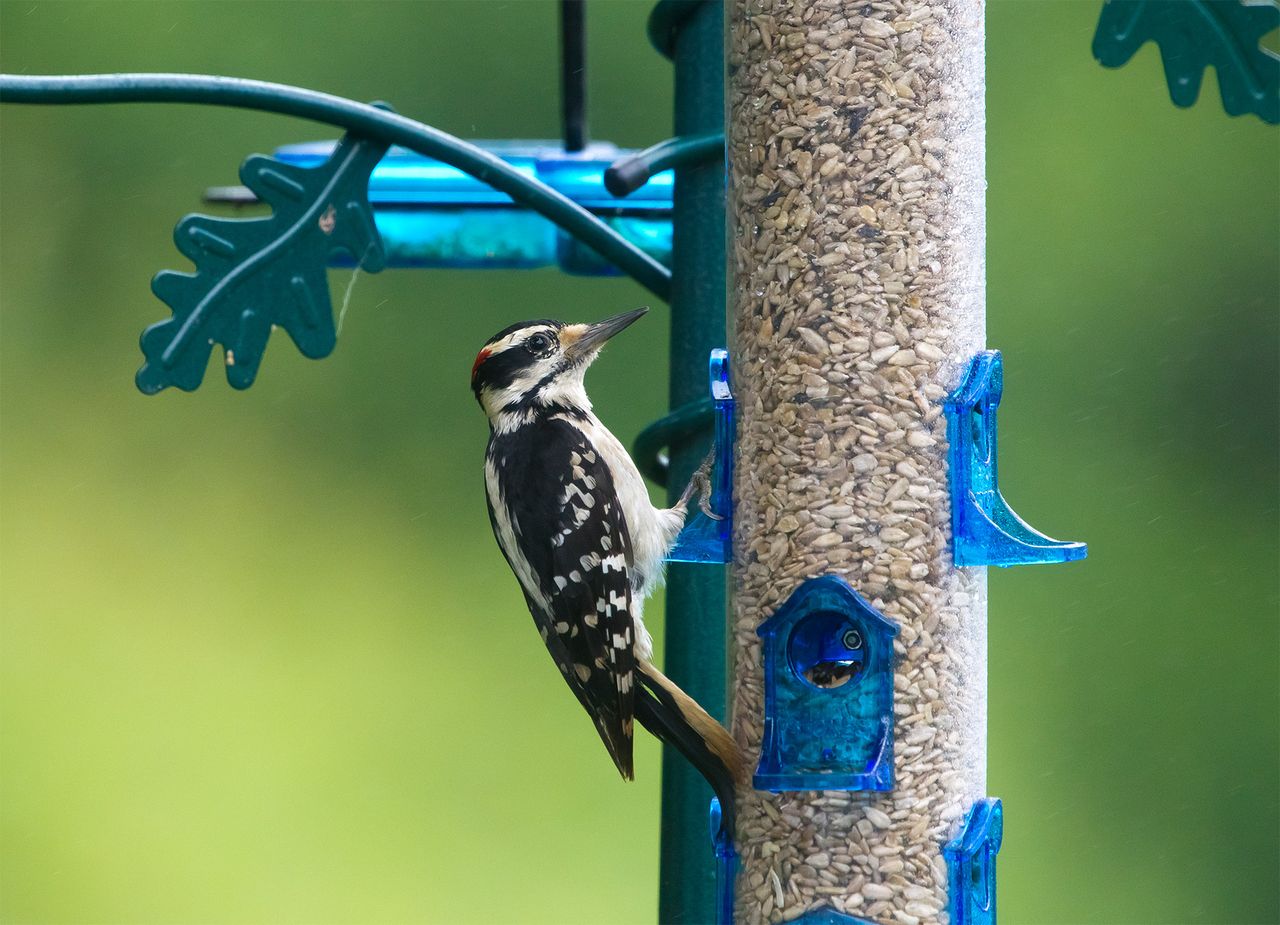
North America has around 20 different species of woodpeckers, including the downy woodpecker, hairy woodpecker, and pileated woodpecker. Most woodpeckers don’t migrate long distances and are commonly spotted on the edge of woodland margins or on feeders that offer their favorite winter snacks.
“The most used single food source in winter feeders is black oil sunflower seeds,” reveals Zachary Holderby of Downeast Audubon. These easy-to-find seeds can be sold on their own or purchased in seed mixes and are known to attract many types of woodpeckers, as well as most other winter birds.
“If you want to increase the diversity in your yard, you can add more specialized feeders like suet feeders for woodpeckers, nuthatches, creepers, and wrens,” adds Holderby. Mixing and matching different types of foods like mealworms, thistle, and peanut butter, and different bird feeder styles will make your space more appealing to more bird species and give you more chances to sight woodpeckers and other feathered friends.
05 of 07
Cedar Waxwings
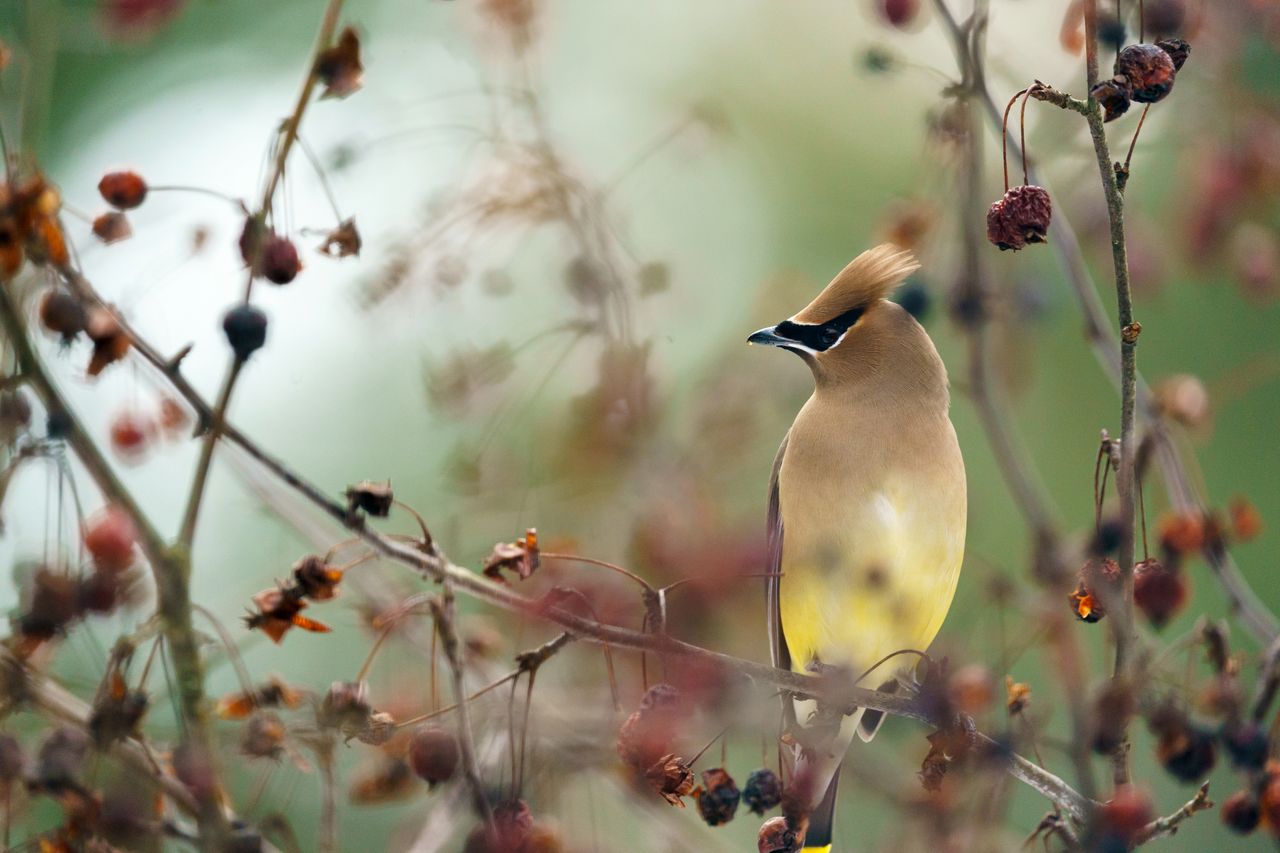
While many winter birds rely on seeds for food, cedar waxwings are quite fond of berries and often move in flocks in winter. When they spot plants with winter berries, like hollies, serviceberries, and winterberries, these birds will often descend in a large group and gobble up all the berries they can before moving on to neighboring yards.
If you want waxwings to stick around longer, prioritize growing as many berry-producing plants as you can as these birds rarely visit feeders.
06 of 07
Blue Jays
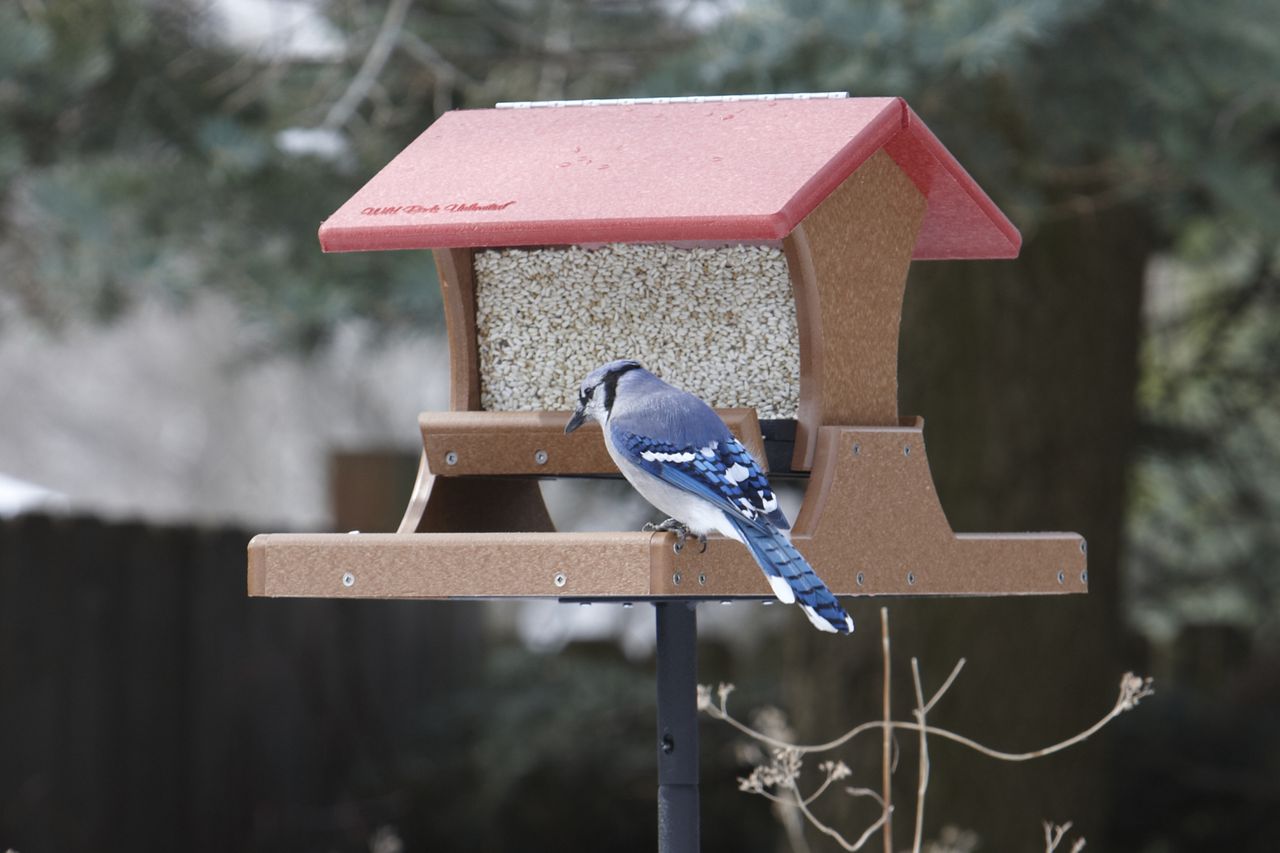
Bright as blueberries and always entertaining, blue jays have big appetites. They love snacking on cracked corn, peanuts, and other seeds and berries in winter. These birds typically act as “partial migrants”—some populations stay put in winter, while others migrate short distances in search of food and shelter.
07 of 07
Juncos
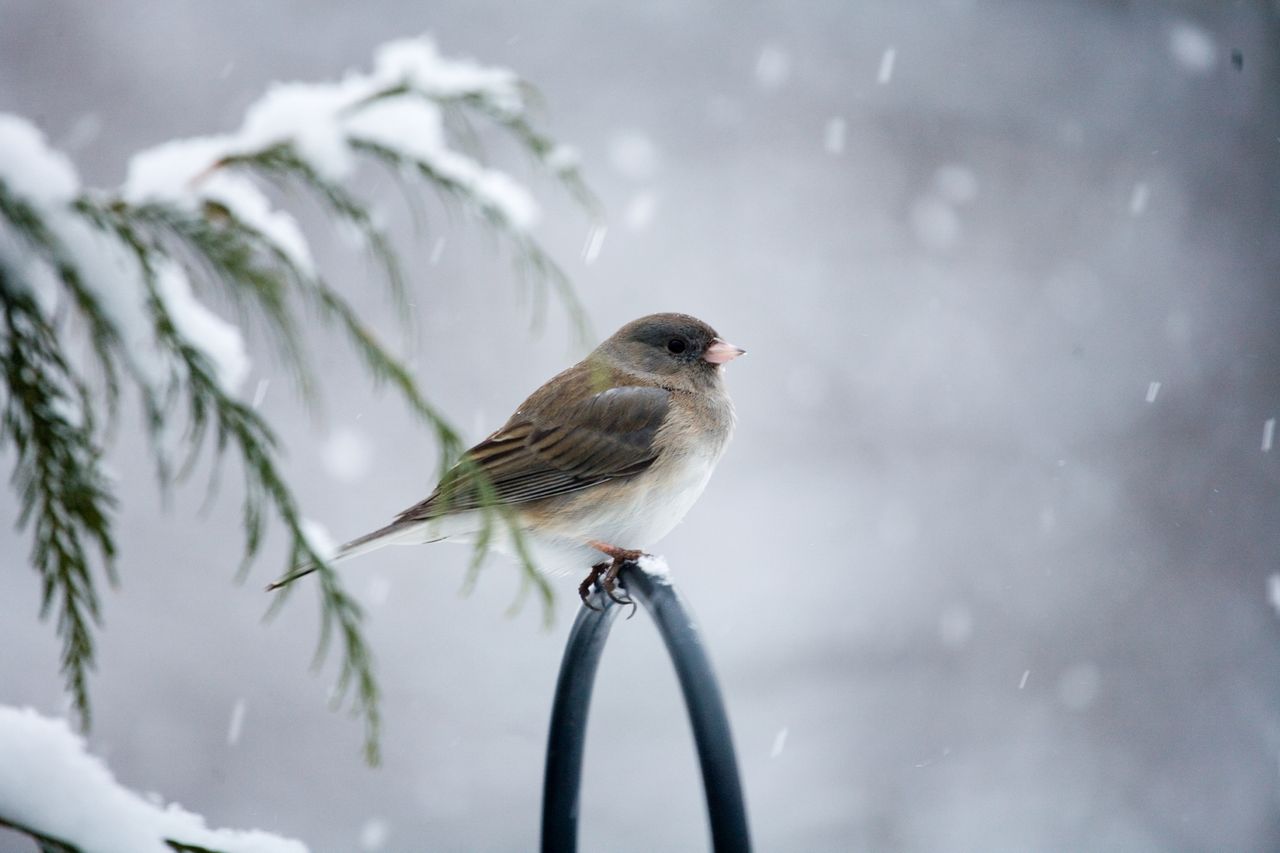
Known as “snowbirds” for a reason, juncos are northern migrants that often spend their summers in Canada and fly into the United States when winter sets in. With slate-gray bodies and white bellies, juncos commonly travel in flocks and feed at feeders or hop along the ground in search of scattered seed. Most seeds appeal to these winter visitors, but they’re particularly fond of sunflower seeds and millet.
on Better Homes & Gardens
Source: Nature



0 Comments